More than $8.2 million in newly secured federal funding will support urgent and ongoing dredging at Oceanside Harbor, where hazardous sediment buildup has already contributed to recent boating incidents, officials said.
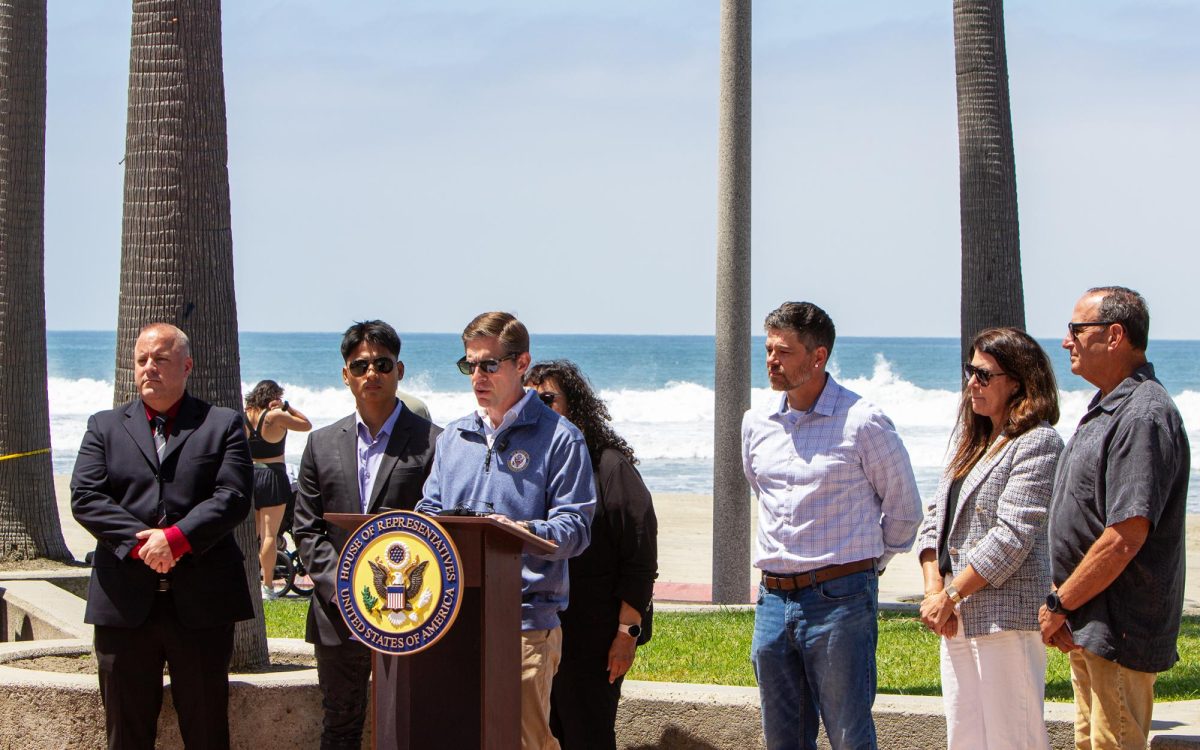
Rep. Mike Levin announced Monday, April 13, that the funding will allow the U.S. Army Corps of Engineers to carry out two dredging operations in 2026 — one already underway this spring to address emergency conditions, and a second planned for the fall as part of a return to a regular annual maintenance cycle.
“I’m proud to have secured over $8.2 million in new federal funding to ensure the Oceanside Harbor continues to be a lifeline for our commercial users, our military, and the surrounding community,” Levin said in a news release. “Regular dredge work is critical to keeping the harbor open, and this additional funding will allow the U.S. Army Corps of Engineers to address emergency conditions and continue maintenance dredging operations. This funding will ensure that all of those who use this harbor are able to do so safely.”
The harbor, the only one between San Diego and Dana Point and designated a critical harbor of refuge, supports commercial activity and military vessels traveling to and from Camp Pendleton. Persistent sediment buildup — known as shoaling — has created shallow conditions at the harbor entrance, contributing to two boats capsizing in breaking waves and another running aground, according to the announcement.
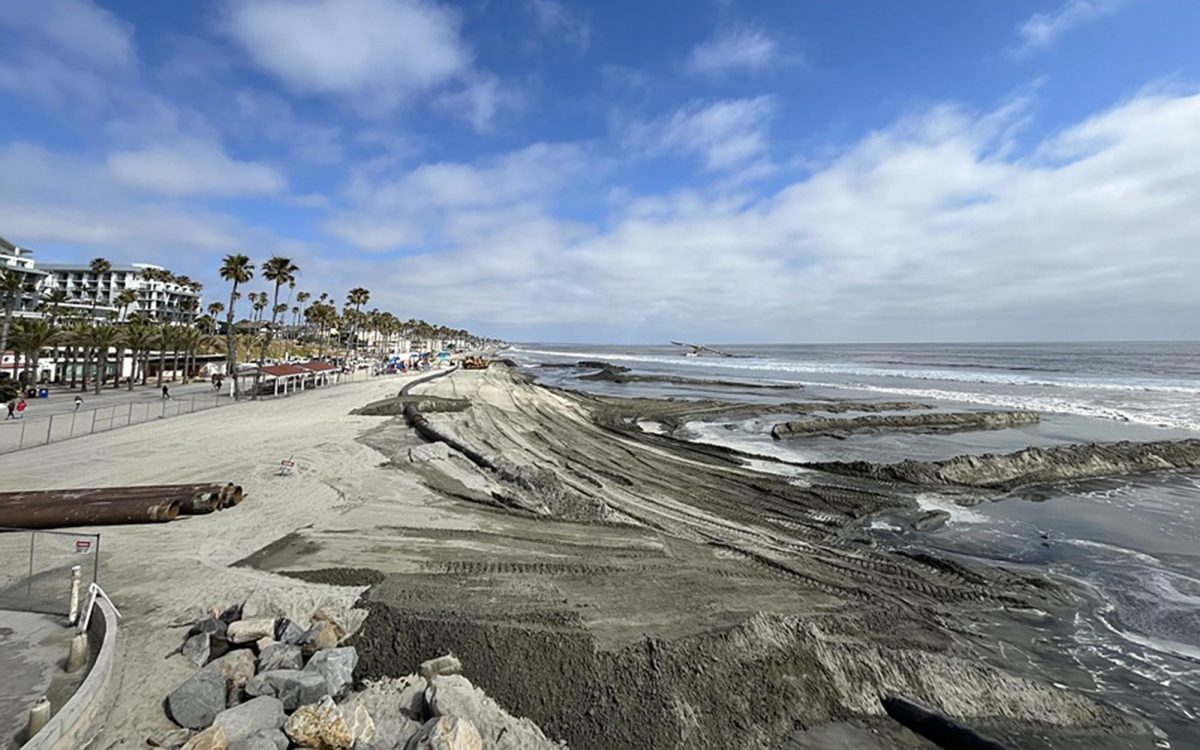
City officials said the current dredging cycle began mobilizing equipment March 31, with operations starting around April 5 and expected to continue through early May, barring weather or equipment delays.
The dredging is intended to restore safe navigation depths, reduce the risk of accidents, and help protect harbor infrastructure from storm damage. Officials also noted that the sand placement provides a secondary benefit of replenishing local beaches.
The work involves removing sand from the harbor entrance and pumping it onto nearby beaches, typically depositing between 200,000 and 300,000 cubic yards of sand annually, depending on winter conditions.
“How far south the dredged sand can be deposited is dependent on the erosion that occurred during the preceding months,” the city explained in a March 23 news release. “Often, the beach on the north side of the Pier must be filled in substantially in order to support the pipe that must be laid on the beach.”
Safety and environmental protections are in place during the operation, including monitored pathways for heavy equipment, restrictions on beach events, and ongoing oversight of water quality, wildlife habitats, and sensitive species such as the snowy plover.
Federal officials said the additional funding will help stabilize conditions at the harbor entrance while establishing a more predictable maintenance schedule moving forward.
This report was partially composed using artificial intelligence, then updated, edited and fact-checked against source material by North Coast Current staff. View our AI policy on the About Us page.